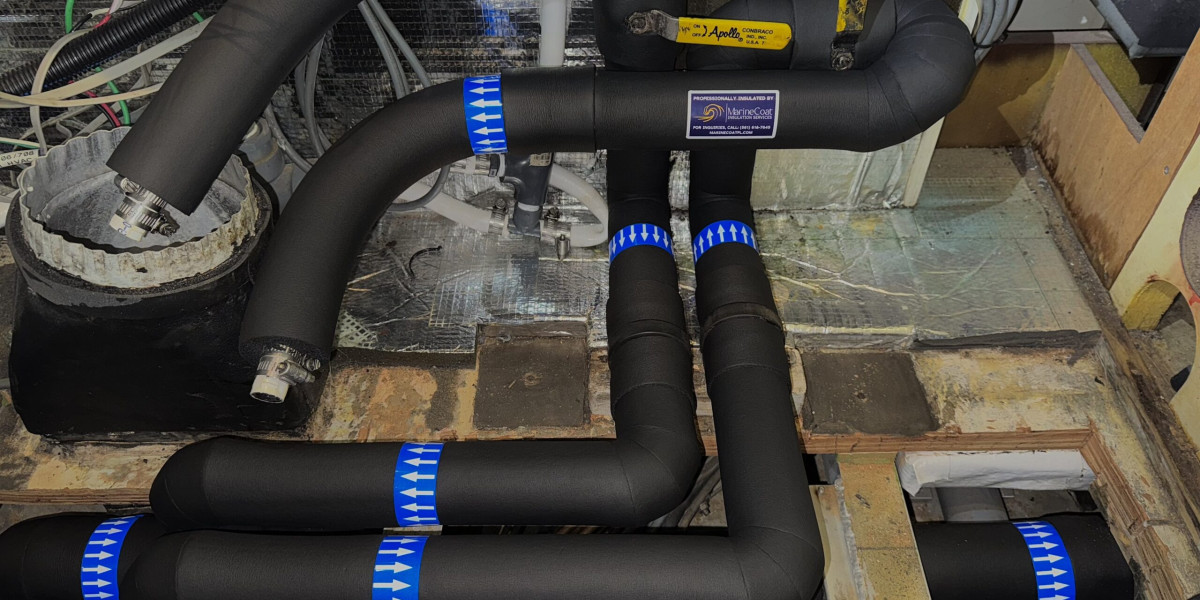

Engine room soundproofing plays a pivotal role in reducing the noise levels in marine environments, particularly on vessels where engine noise and machinery vibrations can cause disturbances. This not only affects the comfort of the crew but can also have long-term impacts on the vessel’s structure. To tackle these issues, implementing proper marine noise insulation strategies is crucial. These measures are designed to minimize noise transmission, improve the living conditions on board, and maintain the operational efficiency of the ship.
In this article, we will explore various techniques for soundproofing the engine room and discuss effective marine soundproofing strategies that shipbuilders and engineers use to reduce noise levels. Understanding how sound travels through materials and applying the right insulation materials can make a significant difference in creating quieter and more efficient marine environments.
Understanding the Challenges of Marine Noise
Noise in engine rooms originates from several sources, including engines, generators, and mechanical systems. The vibrations produced by these systems often travel through the ship’s structure, amplifying sound levels in surrounding spaces. Marine environments are particularly challenging for soundproofing because of the need to balance insulation with weight, space constraints, and moisture resistance.
The problem with engine noise is twofold. Not only does it disturb the crew’s daily tasks, but prolonged exposure to high noise levels can lead to hearing damage or fatigue. Additionally, excessive noise can interfere with communication, impairing safety measures and operational procedures. This makes marine noise insulation a critical aspect of vessel design and maintenance.
Effective Marine Soundproofing Techniques for Engine Rooms
1. Use of Acoustic Insulation Materials
Acoustic insulation is one of the most effective methods for reducing engine room noise. Materials such as foam, rubber, and specialized soundproofing fabrics absorb sound waves, preventing them from traveling through the walls, ceilings, and floors of the engine room. Marine soundproofing materials must be resistant to moisture and have fire-retardant properties due to the demanding conditions of the maritime environment.
For instance, foam acoustic panels made from melamine foam or polyurethane are excellent at absorbing sound. When applied to bulkheads and ceilings, they can reduce the transmission of noise across the engine room. Furthermore, these materials provide thermal insulation, helping to control temperatures within the engine room while reducing noise simultaneously.
2. Engine Room Partitioning
Another strategy for reducing noise is the use of partitions and enclosures within the engine room. By creating physical barriers around noisy equipment, such as engines and generators, noise transmission can be reduced significantly. These partitions can be made from a combination of soundproofing materials and sturdy barriers to contain vibrations and dampen the noise emanating from machinery.
Partitions not only limit noise but also help isolate specific systems, such as exhaust or ventilation units, to control the distribution of sound throughout the vessel. For maximum efficiency, these partitions should be installed around the noisiest parts of the engine room, ensuring that noise is captured before it spreads throughout the vessel.
3. Vibration Dampening
Vibration dampening is another critical aspect of marine noise insulation. Since vibrations from engine components can generate significant noise, isolating these vibrations from the ship’s structure can greatly reduce sound levels. Mounting engines and generators on vibration isolation pads made of materials like rubber or neoprene helps absorb the energy from these vibrations.
Moreover, attention should be paid to pipes, exhaust systems, and mechanical components that are often responsible for transmitting noise. These elements should be decoupled from the ship’s frame and surrounded by vibration-dampening materials to minimize the impact of mechanical noise.
Acoustic Barriers and Hull Insulation
The hull of the ship plays a significant role in how sound travels, especially in the engine room area. Installing acoustic barriers inside the hull can effectively block sound waves from escaping the engine room and impacting other areas of the vessel. These barriers consist of dense, soundproof materials that prevent sound from escaping the engine room by creating an extra layer of insulation.
The insulation material used should be tailored to suit both the ship's operational environment and the need for noise reduction. Materials like soundproofing mats, which are dense and flexible, can be applied to the hull and other surfaces to create a continuous barrier that reflects sound waves back into the engine room. These barriers are particularly useful in ensuring that sound does not travel to sensitive areas such as the crew quarters or cabins.
4. Soundproof Doors and Windows
Another effective approach is the use of soundproof doors and windows. Engine rooms typically feature large doors for access and ventilation. If these doors are not well-insulated, they can act as pathways for sound. Installing high-quality, soundproof doors with seals that prevent sound leakage can drastically reduce noise.
Similarly, windows in engine rooms can act as a conduit for sound, especially if the glass is thin. Acoustic glazing, a specialized form of glass designed to reduce sound transmission, can help insulate the engine room and lower the impact of external noise.
5. Advanced Soundproofing Technology
With advancements in technology, marine soundproofing is becoming more sophisticated. Some of the latest techniques include active noise control systems, which use sound-cancelling technologies to neutralize unwanted engine noise. These systems detect sound waves and generate opposing sound waves that cancel out the noise. While this technology is still in development for marine applications, it has shown promise in reducing certain types of noise, especially in sensitive environments.
Regular Maintenance of Noise Insulation
Once marine noise insulation measures are installed, regular maintenance is essential for maintaining their effectiveness. Over time, the materials used for soundproofing can degrade due to exposure to moisture, wear and tear, or temperature changes. Routine inspections and prompt repairs ensure that the noise-reducing materials continue to function optimally.
Engine rooms, with their high levels of activity, require more frequent checks to ensure that no gaps or damage to insulation materials are present. Maintaining proper sealing around doors, windows, and partitions also helps keep the noise levels under control.
Conclusion
Engine room soundproofing is a critical element in ensuring a more comfortable and safe marine environment. By utilizing effective marine noise insulation strategies such as acoustic materials, vibration dampening, and hull insulation, noise levels can be significantly reduced. These measures not only improve crew welfare but also contribute to the overall performance and lifespan of the vessel.
For shipbuilders, engineers, and fleet operators, understanding and implementing the right noise control solutions is key to optimizing their vessels. As technology continues to evolve, the future of marine soundproofing will likely see even more advanced methods to combat the challenges of engine room noise and enhance onboard comfort.